 By Claire Whitaker
Updated November 2026
A solar power inverter 10000w rating means the unit can supply up to 10 kilowatts of continuous AC output, which is enough for a whole home with central air or an electric range. This guide compares six listings on split-phase output, battery voltage, built-in MPPT charge capacity, parallel support and monitoring. Each pick is based on manufacturer specifications and common owner feedback patterns, not on bench testing.
Our top picks at a glance
- 1
 TOP CHOICEBest overallSUNGOLDPOWER SPH10048P 10000W 48V Solar InverterView on Amazon
- 2
 TOP CHOICEBest for parallel expansionSUNGOLDPOWER 10000W DC 48V UL1741 Solar InverterView on Amazon
- 3
 TOP CHOICEBest for battery-free solar inputPOWLAND 10000W Hybrid Solar InverterView on Amazon
- 4
 Best for high-amp MPPT chargingPowMr 10000W Hybrid Solar Inverter 48VDCView on Amazon
- 5
 Best for 240V split-phase homes10000W Hybrid Solar Inverter 48V Split PhaseView on Amazon
- 6
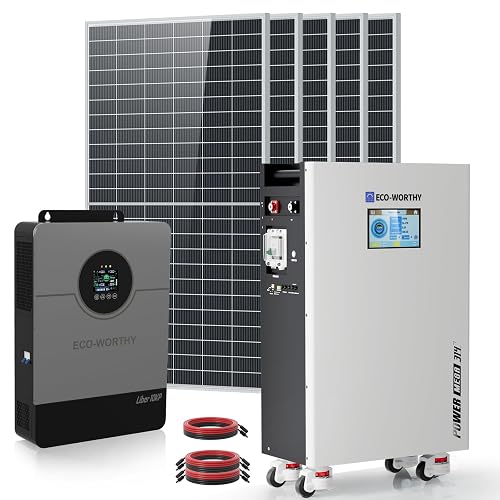 Best complete kitWhole House 10KW System with 16kWh StorageView on Amazon
Our Top Picks
| Product | Best for | Key feature |
|---|---|---|
| SUNGOLDPOWER SPH10048P | Overall balance | Two MPPTs, WiFi, BMS comms |
| SUNGOLDPOWER 10000W DC 48V | Parallel expansion | Supports parallel operation |
| POWLAND 10000W Hybrid | Battery-free solar input | 250A built-in MPPT |
| PowMr 10000W Hybrid | High-amp charging | 100A MPPT, 30kW peak |
| 10000W Hybrid Solar Inverter (220A) | 240V split-phase homes | Max 220A battery charge |
| Whole House 10KW System | Complete off-grid kit | 16kWh storage, 2950W panels |
SUNGOLDPOWER SPH10048P 10000W 48V Solar Inverter
SUNGOLDPOWER 10000W 48V Solar Inverter,Built-in 2 MPPTs, Max 200A Battery Charging, AC Input/Output 120V/240V(settable), Split Phase Pure Sine Wave Inverter(WiFi and BMS COMM) UL1741 SPH10048P
Best for: Overall balance of charging and monitoring
Suited to owners who want a single UL1741-listed unit with two MPPT inputs and remote monitoring over WiFi.
Pros
- Built-in 2 MPPTs with up to 200A battery charging
- Settable 120V/240V split-phase output
Cons
- Requires careful BMS communication setup
SUNGOLDPOWER 10000W DC 48V UL1741 Solar Inverter
SUNGOLDPOWER 10000W DC 48V UL1741 Solar Inverter,Support Parallel, Built-in 2 MPPT Solar Controllers, Max. 200A Battery Charging, AC Input/Output 120V/240V(settable) Inverter Charger(10000W DC 48V)
Best for: Parallel expansion later
A good fit for homeowners who expect loads to grow and want the option to stack units.
Pros
- Supports parallel operation
- Two built-in MPPT controllers rated to 200A charging
Cons
- Parallel setups add wiring and firmware steps
POWLAND 10000W Hybrid Solar Inverter
POWLAND 10000W Hybrid Solar Inverter | Battery-Free Design | 48V DC to 120V/240V AC Split Phase | Built-in 250A MPPT | Works with 48V LiFePO4/Lead Acid Batteries
Best for: Battery-free solar input
Aimed at systems where panels feed the inverter directly and the battery bank is sized separately.
Pros
- Built-in 250A MPPT charge controller
- Works with 48V LiFePO4 or lead-acid batteries
Cons
- Owners should verify the array voltage window before wiring
PowMr 10000W Hybrid Solar Inverter 48VDC
PowMr 10000W Hybrid Solar Inverter 48VDC to 110V/220VAC, 10kW Hybrid Inverter w/Built-in 100A MPPT Charge Controller, Pure Sine Wave for 48V Lead-Acid and Lithium Battery, Peak Power:30000W
Best for: High-amp MPPT charging
Works well for owners with large battery banks who want a pure sine wave unit with a generous surge rating.
Pros
- Built-in 100A MPPT controller
- Rated 30000W peak for motor starting
Cons
- Peak rating does not mean sustained output
10000W Hybrid Solar Inverter 48V Split Phase
10000W Hybrid Solar Inverter,48V DC to 110V/240V(settable) AC Split Phase Solar Inverter,UL1741, Pure Sine Wave Inverter Built-in 2 MPPTs Max 220A Battery Max. 6 Parallel for Home, RVs, Lead Acid/Li
Best for: 240V split-phase homes
Fits homes with 240V appliances and RV or cabin installs that need up to six units in parallel.
Pros
- Built-in 2 MPPTs with up to 220A battery charging
- Listed for up to 6 parallel units
Cons
- Listing naming varies, so confirm model specs on the sheet
Whole House 10KW System with 16kWh Storage
Whole House System:10KW 120V/240V Split Phase Solar Inverter| 48V 314Ah 16kWh High Capacity Energy Storage| 2950W Solar Panel ECO WORTHY 10000W Output Complete Off-Grid Solar Panel Kit for Home
Best for: Complete off-grid kit
For buyers who want the inverter, battery and panels matched in one package rather than sourcing each part.
Pros
- Includes 48V 314Ah storage and 2950W panels
- Covers inverter, battery and array together
Cons
- Bundled parts limit your choice of battery chemistry
Buying Guide
Match the Inverter to Your Peak Load
Add the wattage of everything that might run at once, then compare it to the continuous rating. A 10000W unit handles most whole-home loads, but motor starts need headroom, so check the surge rating too. For sizing steps, see Solar Sizing Formulas for Loads, Batteries and Inverters.
FAQ
Can a 10000W inverter power a whole house?
A 10000W inverter can run most of a typical home, including central air conditioning, an electric range and water heating, as long as the loads do not all run at full power at the same moment. Surge demand from motors on air conditioners and well pumps should be checked against the inverter’s peak rating before you buy. Many homeowners pair the inverter with a battery bank and some load management to stay within limits.
Why does battery voltage matter for a 10000W solar inverter?
Battery voltage affects the current the inverter draws at high power, which in turn sets the size of cables, fuses and the battery bank you need. A 48V system carries lower current than a 24V system for the same output, so it generally runs cooler and wastes less energy in wiring. Make sure the inverter you choose matches the voltage of your battery chemistry, whether lithium iron phosphate or lead acid.
What does split-phase 120V/240V output mean?
Split-phase output provides two 120V legs that together deliver 240V, the standard supply for large appliances such as electric dryers, ranges and central air units in North American homes. A split-phase inverter lets you run these appliances off solar and battery power without a separate transformer. Confirm that your breaker panel and wiring are set up for split-phase before connecting.
Do I need a licensed electrician to install a 10000W off-grid system?
In most areas, installing a system this large requires a licensed electrician and a permit, and the work must meet local electrical code and utility interconnection rules. Incorrect battery or inverter wiring can create fire and shock hazards, and an inspection helps protect your insurance coverage. Even if you plan to do some of the work yourself, having a professional review the design is a sound investment.
Can I add more batteries or inverters later?
Several of the listed inverters support parallel operation, which lets you link multiple units to increase total output and charging capacity. Check the manufacturer’s maximum parallel count and the requirements for communication cabling before planning an expansion. Choose battery banks with a matching chemistry and voltage so that future additions integrate smoothly.
How do I know if my solar array can support a 10000W inverter?
The inverter’s MPPT rating and the array’s maximum input voltage and current must both fit within the inverter’s specified limits, so you should size your panels with those numbers in hand. A larger array can charge batteries faster and cover daytime loads, but oversizing beyond the controller’s limits can damage equipment. Ask an installer or consult the manufacturer’s datasheet to match panel strings to the built-in charge controllers.
Conclusion
For a homeowner who wants a single, self-contained inverter for a full off-grid home and already has a 48V battery bank, one of the SUNGOLDPOWER or POWLAND units is a practical place to start, especially if you value built-in controllers and monitoring. Buyers who want a complete package with storage and panels should look at the whole-house kit, while those planning to expand later should prioritize models with parallel support.
Before purchasing, confirm your battery chemistry, panel array size, and local code requirements, and have a licensed installer review the plan. Matching the inverter to your real peak load and daily energy use will do more for long-term satisfaction than any single feature on the spec sheet.
Related reading
- Top 6 Solar Inverters for Power Outage Picks for Home Backup
- Top 6 3 Phase Solar Power Inverters Compared for Commercial and Off-Grid Use
- Solar Power Inverter Size: How to Calculate the Right Rating (2026)
- Solar Power Inverter Manufacturer: How to Evaluate One Before You Buy
About Claire Whitaker
Claire Whitaker is part of our editorial team and reviews and edits our DIY solar power systems guides, checking product details against manufacturer specifications and owner feedback.