 By Claire Whitaker
Updated November 2026
Choosing a lifepo4 server rack battery comes down to voltage match, usable capacity, cycle life, battery management system (BMS) features and whether the pack fits your rack or enclosure. The picks below were ranked against those criteria using product listings, manufacturer specifications and patterns in owner feedback. None of them were tested in our own setup.
Our top picks at a glance
- 1
 TOP CHOICEBest overallWattCycle 51.2V 100Ah LiFePO4 Server Rack Battery 2 PackView on Amazon
- 2
 TOP CHOICEBest for long cycle lifeSUNGOLDPOWER UL1973 4 x 48V 100Ah Server Rack LiFePO4 Lithium BatteryView on Amazon
- 3
 TOP CHOICEBest for DIY buildersEEL Server Rack Battery System 48V 16S LiFePO4 DIY Assemble Box KitsView on Amazon
- 4
 Best rack hardwareSUNGOLDPOWER 3U Server Rack Battery RackView on Amazon
- 5
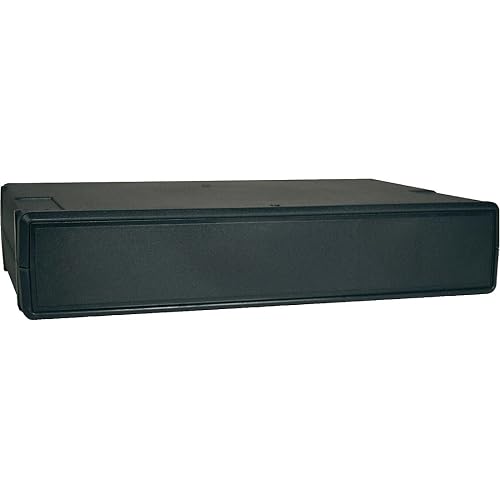 Best for 24V backup systemsTripp Lite 24V Extended Battery Pack Module EBMView on Amazon
Our Top Picks
| Product | Best for | Key feature |
|---|---|---|
| WattCycle 51.2V 100Ah 2 Pack | Overall solar storage | Active balancing, Bluetooth |
| SUNGOLDPOWER UL1973 48V 100Ah | Long cycle life | 100A BMS, LED monitor |
| EEL Server Rack Battery System 48V | DIY assembly | Built-in 150A Bluetooth BMS |
| SUNGOLDPOWER 3U Battery Rack | Rack organization | Stackable, open ventilation |
| Tripp Lite 24V Extended Battery Pack | 24V UPS backup | Rackmount, cabling included |
WattCycle 51.2V 100Ah LiFePO4 Server Rack Battery 2 Pack
3U Rack Batteries with Grade-A Cells, 3A Active Balancing, 6000+ Cycles, for Solar Storage, Home Backup and Off-Grid Systems WattCycle 51.2V 100Ah LiFePO4 Server Rack Battery 2 Pack 10.24kWh Bluetooth
Best for: Overall solar storage and home backup
This 3U pack suits owners who want a 10.24 kWh two-pack setup with monitoring. Manufacturers specify 6000+ cycles and 3A active balancing.
Pros
- Active balancing across cells
- Bluetooth monitoring
Cons
- Heavy for one person to install alone
SUNGOLDPOWER UL1973 4 x 48V 100Ah Server Rack LiFePO4 Lithium Battery
SUNGOLDPOWER UL1973 4 x 48V 100Ah Server Rack LiFePO4 Lithium Battery, 100A BMS & LED Monitor, Deep Cycle Rechargeable Battery 7000+, for Solar,Marine,Overland, Off-Grid SG48100P (Server Rack & BMS)
Best for: Long cycle life in daily-cycled systems
A good fit for off-grid builders who cycle the pack daily and want a UL1973-listed design. The listing cites 7000+ cycles and a 100A BMS.
Pros
- UL1973 listing stated in the specification
- LED monitor on the pack
Cons
- Requires a compatible rack or enclosure for full installation
EEL Server Rack Battery System 48V 16S LiFePO4 DIY Assemble Box Kits
EEL Server Rack Battery System 48V 16S LiFePO4 DIY Assemble Box Kits Built-in 150A Bluetooth BMS Inverter Compatible EV RV Solar Energy Storage (Suit for 280/302Ah Cells)
Best for: DIY builders assembling their own pack
This kit is aimed at builders who want to choose their own cells, such as 280Ah or 302Ah prismatic types, and assemble a 16S pack with a built-in 150A Bluetooth BMS.
Pros
- Flexible cell selection
- Built-in Bluetooth BMS
Cons
- Assembly takes more time and care than a finished pack
SUNGOLDPOWER 3U Server Rack Battery Rack
SUNGOLDPOWER 3U Server Rack Battery Rack, 5-Layer Rack for 48V 100Ah Lithium Batteries, Stackable Battery Holder with Wheels & Open Ventilation for Solar Energy Storage Systems
Best for: Rack hardware and battery organization
A rack frame for owners who already have 48V 100Ah lithium modules and need a stackable, ventilated holder with wheels for moving the pack.
Pros
- Five-layer stackable design
- Open ventilation and wheels
Cons
- Holds batteries only; no battery included
Tripp Lite 24V Extended Battery Pack Module EBM
Tripp Lite 24V Extended Battery Pack Module EBM, 2U Rackmount or Tower Hardware Included, Heavy-Gauge Cabling Included, 2-Year Warranty (BP24V15RT2U)
Best for: 24V UPS and rackmount backup
This extended battery module is designed for rackmount or tower UPS use. Hardware and heavy-gauge cabling are listed as included, with a two-year warranty stated by the manufacturer.
Pros
- Hardware and cabling included
- Two-year warranty stated
Cons
- Designed for UPS use, not a general solar storage pack
Buying Guide
Match the voltage to your inverter and charger
Most 48V systems use 16 cells in series, while 24V and 51.2V packs suit smaller setups. Confirm the nominal voltage matches your inverter and charge controller input range before buying.
Check usable capacity, not just rated Ah
A 100Ah LiFePO4 pack at 51.2V stores about 5.12 kWh nominal. Calculate daily load in watt-hours and size the pack so your daily use is well inside its usable range.
Look for a BMS with the protections you need
The battery management system should handle over-charge, over-discharge, over-current and temperature limits. Bluetooth monitoring and active balancing are useful extras for long-term health.
FAQ
What voltage should I choose for a LiFePO4 server rack battery?
Match the battery voltage to what your inverter, charge controller and charger are designed for. Common options in this category are 24V, 48V and 51.2V systems, and mixing voltages can damage equipment or prevent the system from working. Check your inverter manual before you buy.
How is usable capacity different from rated Ah?
Rated amp-hours describe the total capacity on the label, but LiFePO4 batteries are often recommended for discharge to around 80 to 90 percent depth of discharge to extend life. Usable capacity is the energy you can safely draw day to day, which is usually lower than the headline number. Use usable capacity when sizing your system.
Do I need a rack to install a server rack battery?
Not always, but a rack or enclosure keeps modules organized, supports the weight and improves airflow. Some packs include hardware, while others are sold as bare modules that you mount yourself. Confirm the rack unit height and rail depth before ordering.
Can I parallel multiple battery packs for more capacity?
Many LiFePO4 rack batteries can be connected in parallel to increase capacity, but the manufacturer must allow it and the packs should be the same model, age and state of charge. Follow the wiring diagram and keep cable lengths and gauge consistent. If you are unsure, consult a qualified installer.
What does a BMS do, and why does it matter?
The battery management system monitors cell voltage, temperature and current, and it disconnects the pack if it detects overcharge, over-discharge, short circuit or overheating. A capable BMS protects both the battery and the people around it. Look for the specific protections listed in the product details and make sure they match your use case.
How long do LiFePO4 server rack batteries typically last?
LiFePO4 chemistry generally offers much longer cycle life than lead-acid batteries, and many listings cite several thousand cycles at a stated depth of discharge. Actual lifespan depends on temperature, charge settings and how deeply you discharge the pack each cycle. Treat the cycle figures as manufacturer estimates rather than guarantees.
Conclusion
If you want a flexible, well-balanced pack for a home solar or backup setup and you already have a compatible inverter, the WattCycle 2 Pack and the SUNGOLDPOWER 48V 100Ah options are the most straightforward starting points. Choose based on your system voltage and how much usable energy you need.
For DIY builders who want to assemble their own pack, the EEL box kit or the SUNGOLDPOWER 3U rack suits buyers comfortable with wiring and cell selection. The Tripp Lite module is the better fit if you need a compact 24V unit for a smaller or existing rack setup with included hardware and cabling.
Related reading
- Top 7 Lifepo4 12v Battery Charger Options Compared (2026)
- Top 7 24v 100ah Lifepo4 Battery Picks for Solar, RV and Off-Grid (2026)
- Top 3 Best LiFePO4 Battery 12V 100Ah Picks for Solar and RV Use
About Claire Whitaker
Claire Whitaker is part of our editorial team and reviews and edits our DIY solar power systems guides, checking product details against manufacturer specifications and owner feedback.




