By Ethan Brooks
Updated November 2026
Homeowners looking into diy solar power for home projects usually want one of three things: a complete kit they can assemble, a planning guide that walks through sizing and wiring, or a reference that explains how an off-grid or grid-tied system fits together. This list compares seven titles on those criteria: clarity of sizing math, quality of wiring diagrams, coverage of batteries and inverters, and whether the book suits a beginner or an experienced builder.
Our top picks at a glance
- 1
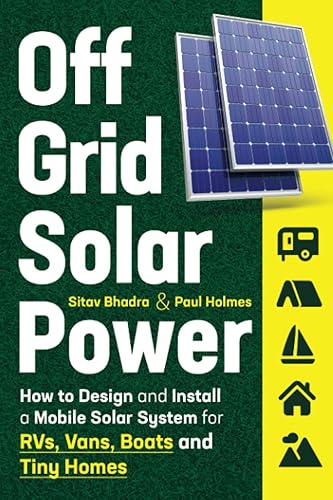 TOP CHOICEBest overallOff Grid Solar Power: How to Design and Install a Mobile Solar SystemView on Amazon
- 2
 TOP CHOICEBest for complete off-grid referenceThe DIY Off Grid Solar Power Bible: [10 in 1] The Most Complete and Updated GuideView on Amazon
- 3
 TOP CHOICEBest for beginners with sizing plansThe Beginner's Guide to DIY Off-Grid Solar Power: The 7-Step Sizing PlView on Amazon
- 4
 Best for a quick overviewDIY Solar Power: How To Power Everything From The SunView on Amazon
- 5
 Best for home installsDIY HOME SOLAR POWER: The Hands-On Guide to Designing, Wiring, and InsView on Amazon
- 6
 Best for portable buildsDIY Portable Solar Power Box: Build Your Own Compact Off-Grid Energy SystemView on Amazon
- 7
 Best for self-sufficiency planningDIY Solar Power: The Ultimate Guide to Building a Home Photovoltaic SyView on Amazon
Our Top Picks
| Product | Best for | Key feature |
|---|---|---|
| Off Grid Solar Power (mobile systems) | RVs, vans, boats, tiny homes | Mobile system design focus |
| The DIY Off Grid Solar Power Bible | Full off-grid reference | Covers design, install, maintenance |
| The Beginner’s Guide to DIY Off-Grid Solar Power | Beginners | 7-step sizing plan |
| DIY Solar Power: How To Power Everything | Quick overview | Concise, broad introduction |
| DIY HOME SOLAR POWER | Home installs | Off-grid and grid-tied wiring |
| DIY Portable Solar Power Box | Portable and emergency builds | Compact energy system build |
| DIY Solar Power: Home Photovoltaic System | Energy self-sufficiency | Whole-home PV planning |
Off Grid Solar Power: How to Design and Install a Mobile Solar System for RVs, Vans, Boats and Tiny Homes
Off Grid Solar Power: How to Design and Install a Mobile Solar System for RVs, Vans, Boats and Tiny Homes (DIY Solar Power)
Best for: Mobile and small-footprint off-grid builds
A strong fit for readers whose home moves or is very small, where load calculations and panel placement matter most.
Pros
- Practical focus on mobile power layouts
- Clear design steps for compact systems
Cons
- Less depth on full-size house systems
The DIY Off Grid Solar Power Bible: [10 in 1] The Most Complete and Updated Guide
The DIY Off Grid Solar Power Bible: [10 in 1] The Most Complete and Updated Guide to Design, Install, and Maintain Solar Energy Systems for Tiny Homes, Cabins, Rvs, and Boats
Best for: Complete off-grid reference
Suits builders who want one volume covering design, installation and maintenance across homes, cabins and boats.
Pros
- Broad coverage from design to upkeep
- Useful for multiple property types
Cons
- Breadth can mean less detail per topic
The Beginner’s Guide to DIY Off-Grid Solar Power: The 7-Step Sizing Plan, Real Wiring Diagrams
The Beginner's Guide to DIY Off-Grid Solar Power: The 7-Step Sizing Plan, Real Wiring Diagrams & 4 Complete Builds: Solar Box, Van/RV, Cabin/Tiny Home, Standalone Blackout Backup – Plus a Boat Bridge
Best for: Beginners who need sizing and wiring steps
A good starting point for first-time builders who want to work through load estimates before buying parts.
Pros
- Step-based sizing approach
- Wiring diagrams for several build types
Cons
- Experienced builders may find basics repetitive
DIY Solar Power: How To Power Everything From The Sun
DIY Solar Power: How To Power Everything From The Sun
Best for: A quick overview of the concept
Fits readers who are still deciding whether a home system makes sense and want a broad, readable introduction.
Pros
- Accessible overview of the basics
Cons
- Limited depth on sizing calculations
DIY HOME SOLAR POWER: The Hands-On Guide to Designing, Wiring, and Installing Your Own System
DIY HOME SOLAR POWER: The Hands-On Guide to Designing, Wiring, and Installing Your Own Off-Grid and Grid-Tied System
Best for: Home installation, off-grid or grid-tied
Aimed at homeowners planning to mount panels and wire a system to their house, with attention to both system types.
Pros
- Covers both off-grid and grid-tied approaches
- Installation-focused wiring guidance
Cons
- Electrical work should be checked by a licensed professional where required
DIY Portable Solar Power Box: Build Your Own Compact Off-Grid Energy System
DIY Portable Solar Power Box: Build Your Own Compact Off-Grid Energy System for Home, Travel & Emergencies
Best for: Portable and emergency backup builds
Suits readers who want a smaller, movable system for backup power rather than a whole-house installation.
Pros
- Compact build scope
- Useful for emergency preparedness
Cons
- Not sized for full-home loads
Buying Guide
Beginner-Friendly Explanations
If you have never wired a battery bank or sized an inverter, look for a book that starts with basic terms like voltage, amp-hours, and watt-hours before moving into full builds. Clear step-by-step sizing methods make a big difference when you are planning your first system for a home or shed.
Quality of Wiring Diagrams and Schematics
Diagrams should show how panels, charge controllers, batteries, inverters, and breakers connect, with wire gauges and fuse placement noted. Vague sketches leave you guessing at the parts that matter most for safety, so favor titles with detailed, labeled drawings.
Coverage of Batteries, Inverters, and Charge Controllers
Storage and power conversion are where most home projects succeed or fail. Check whether the title covers battery chemistries, charge controller types, and how to match an inverter to your expected loads, along with maintenance tips for long-term reliability.
Off-Grid Versus Grid-Tied Focus
Some guides concentrate on off-grid living, while others explain grid-tied systems that connect to the utility and may involve interconnection rules. Pick the one that matches your goal, since the design choices, equipment, and permitting steps differ substantially between the two approaches.
FAQ
Do I need prior electrical experience to start a DIY solar project?
Basic electrical knowledge helps a lot, but many guides are written for complete beginners and explain the fundamentals before moving to system design. For any work that involves connecting to your home’s main panel, consider consulting a licensed electrician.
Is an off-grid system better than a grid-tied system for a house?
It depends on your location, budget, and how reliable your utility service is. Off-grid systems require enough battery storage to cover nights and cloudy periods, while grid-tied systems typically use the utility as a backup and are simpler to size.
How do I know what size system I need?
Start by listing your daily energy use in watt-hours from your appliances and their run times. Then account for your local sunlight hours, system losses, and how many days of backup power you want, which is what the sizing sections of most guides walk through.
Are permits required for a home solar installation?
Many areas require electrical permits and inspections for solar installations, and grid-tied systems often need utility approval before they can operate. Check with your local building department before you begin so your project meets code.
Can I build a system in stages?
Yes, many builders start with a small system, such as a portable power box or a single-circuit backup, and expand it later. Choose a guide that explains how components are chosen so new panels and batteries integrate smoothly with what you already have.
Conclusion
Readers who want a straightforward, beginner-focused path to a first system should look for a guide with strong sizing instructions and clear diagrams, while those planning a full home setup will benefit from titles that cover both off-grid and grid-tied designs in depth. Matching the book’s scope to your goals will save time and help you avoid costly mistakes.
If your project is mainly portable or emergency backup, a compact build-focused title is the better fit, and if you are aiming for complete energy independence, choose a comprehensive reference that covers batteries, inverters, and maintenance in detail.
Related reading
- DIY Off Grid Solar Power System for Home: A Step-by-Step Guide
- 6 Best DIY Solar Power System Kit Options for Off-Grid Homes (2026)
- 6 Best DIY Off Grid Solar Power Kits for Homes and Cabins (2026)
- 3 Best Home Solar Power Kits DIYs for Beginners in 2026
- Top 7 DIY Solar Power Fan Options Compared for Sheds and Coops
About Ethan Brooks
Ethan Brooks is part of our editorial team and reviews and edits our DIY solar power systems guides, checking product details against manufacturer specifications and owner feedback.